
Contemporary architecture seeks materials capable of going beyond mere construction. Materials that contribute atmosphere, identity, and emotion, without compromising technical rigor, durability, or construction control. In this context, alabaster in contemporary architecture has established itself as a singular solution for projects that treat light as a primary architectural material.
Specifying alabaster is not an aesthetic whim; it is a strategic decision that directly influences spatial perception, light quality, and the architectural character of a project. But when does it make sense to use alabaster? And why are more and more architects incorporating it into contemporary projects?
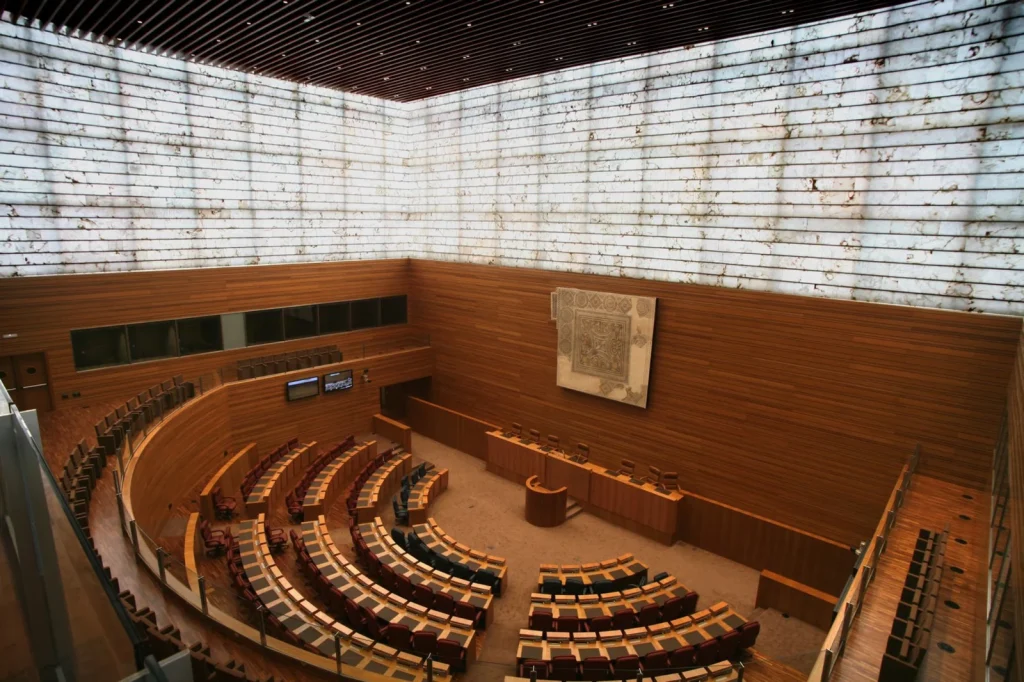
Alabaster as a Material in Contemporary Architecture
Traditionally associated with sculpture or decorative applications, alabaster has evolved into a fully valid architectural material. Its ability to filter light, its mineral nobility, and its timeless presence align naturally with contemporary architectural languages, where essentiality, honesty, and durability are highly valued.
In contemporary architecture, alabaster does not compete with other materials; it dialogues with them. It integrates seamlessly with concrete, wood, steel, or glass, providing a warm and organic counterpoint that balances geometry and technical precision.
When to Specify Alabaster in an Architectural Project
1. When Light Is Part of the Architectural Concept
Alabaster in architecture is especially specified in projects where light is not an added feature, but a central compositional resource. Its natural translucency allows architects to:
- Diffuse light evenly
- Avoid glare
- Create serene and enveloping atmospheres
For this reason, architectural alabaster panels are commonly used in:
- Lobbies and representative spaces
- Institutional and cultural buildings
- Corporate architecture
- High-quality circulation areas
2. When an Atemporal Materiality Is Required
Contemporary architecture moves away from ephemeral solutions. Alabaster responds to this demand with a natural and permanent beauty, independent of trends or artificial finishes.
Each alabaster slab is unique, featuring unrepeatable veining formed over millions of years. This singularity provides identity without artifice—an especially valued quality in architectural projects with long life cycles.
3. When the Project Requires an Exclusive and Honest Material
Alabaster is a natural stone, not an industrial product. Its exclusivity does not stem from ostentatious luxury, but from its origin, traceability, and performance.
Alabaster is specified in architecture when a project requires:
- Genuine differentiation
- Authentic materials with history
- Unique surfaces and atmospheres
4. When Specialized Technical Advice Is Needed
Alabaster is not a generic material. Its correct application in contemporary architecture requires technical expertise in areas such as:
- Appropriate thicknesses according to format
- Fixing systems
- Backlighting and light behavior
- Conditions of use and maintenance
For this reason, it is typically used in projects where architects seek an alabaster specialist supplier, capable of providing support from the design phase through on-site execution.
Where Is Alabaster Used in Architecture Today?
The use of alabaster in contemporary architecture is increasingly transversal. Today it is specified in:
- Institutional architecture: representative buildings, public headquarters
- Luxury architecture: private residences, exclusive villas, high-end resorts
- Hotels and hospitality: lobbies, spas, common areas
- Corporate architecture: headquarters, brand spaces
- Cultural architecture: museums, auditoriums, exhibition spaces
- Rehabilitation and contemporary heritage projects, where material continuity and historical respect are required
Why Alabaster Fits Contemporary Architecture
It Transforms Light into Architecture
Unlike other translucent materials, alabaster does not simply allow light to pass through—it transforms it. It filters and softens light, creating a unique atmosphere. This makes alabaster a key material in projects that seek a more sensory and human architectural experience.
A Natural and Sustainable Material
As a natural stone, alabaster requires fewer industrial processes than many synthetic materials. Its controlled extraction and long lifespan make it a coherent choice within a more conscious and responsible contemporary architecture.
Its simple maintenance further reinforces its suitability for both public and private buildings with intensive use.
Identity Without Competing with Architecture
Alabaster does not seek protagonism. Its presence is silent yet powerful, reinforcing the architectural narrative without overshadowing it. This is why it is frequently specified in projects that aim to communicate calm, precision, and permanence.
Alabaster and Contemporary Architecture: A Design Decision
Specifying alabaster in contemporary architecture is a conscious design decision. It is not driven by passing trends, but by an understanding of architecture as experience, materiality, and legacy.
When a project demands high-quality light, honest materiality, and impeccable execution, alabaster becomes a first-class architectural tool.
Frequently Asked Questions About Alabaster in Architecture
Is alabaster a structural material?
No. Alabaster is used as an architectural cladding material or integrated element, not as a load-bearing structure.
Can alabaster be used in public spaces?
Yes, provided it is correctly specified and supported by appropriate technical expertise.
What maintenance does architectural alabaster require?
Maintenance is simple: cleaning with neutral products and basic care, preserving its translucency and natural beauty.
Considering Alabaster for Your Next Project?
At Arastone Alabaster, we work closely with architects and design studios to ensure the correct specification of alabaster in contemporary architecture, providing experience, origin control, and technical rigor from concept to construction.